
Nigerian opposition figure urges Senate to scrap manual result transmission amid electoral law row


A senior figure in Nigeria’s opposition has urged lawmakers to scrap provisions allowing manual transmission of election results, warning that any retreat from electronic transmission risks undermining democracy.
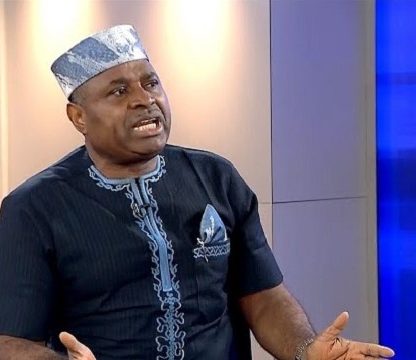
Kenneth Okonkwo, a member of the African Democratic Congress (ADC) and a prominent actor-turned-politician, made the call during an interview on Politics Today, a political programme on Channels Television.
Okonkwo argued that election officials should be legally required to transmit results electronically from polling units, Nigeria’s smallest voting centres, before leaving the premises.
“Once the law says results must be transmitted from the polling unit, I am satisfied,” he said. “That way, no polling officer leaves with the results.”
He went further, suggesting that elections should be cancelled outright if electronic transmission is impossible.
“The reason for accreditation and voting is the result,” he said. “If all that ends in a fraudulent outcome, what has been achieved? You only embolden criminals.”
Nigeria has long struggled with disputed elections, with allegations of vote manipulation and result tampering recurring since the return to civilian rule in 1999. Okonkwo said flawed elections were the country’s central obstacle to development.
“The only real problem we have is fraudulent elections,” he said. “The day Nigeria conducts truly free and fair elections, 20 years later we would be a superpower. The United States thrives because power genuinely lies with the people.”
Okonkwo stressed that democracy did not belong to any political party, urging Nigerians across party lines to defend the integrity of the electoral process.
The comments follow growing controversy over amendments to Nigeria’s Electoral Act, the law governing elections. Last week, the Senate passed an amendment bill but rejected a proposal to mandate the real-time electronic transmission of results. Instead, it retained a clause from the 2022 law allowing the Independent National Electoral Commission (INEC) discretion over how results are transmitted.
Opposition parties and civil society groups criticised the decision, warning it could reopen the door to manipulation. Protests were held outside the National Assembly in Abuja.
On Tuesday, amid public backlash, the Senate partially reversed its position, approving electronic transmission of results but removing the “real-time” requirement. Lawmakers also ruled that where internet connectivity fails, the paper result sheet, known as Form EC8A, would remain the primary record for collation.
An emergency plenary session also set up a committee to harmonise the Senate’s version of the bill with that already passed by the House of Representatives.