
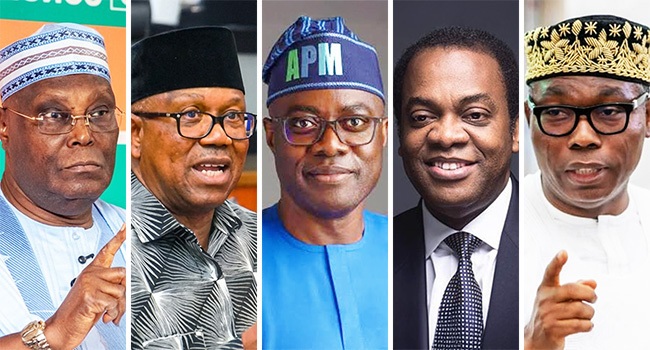
Nigeria opposition coalition schedules Abuja summit for electoral cooperation


Nigeria’s opposition coalition has announced it will hold a summit on 23 November at the NAF Conference Centre in Abuja, where participating parties are expected to sign cooperation documents.
The announcement moves the process beyond an unspecified promise of further consultations, though participating parties have yet to settle their competing presidential ambitions. The Coalition for Democracy, formerly known as the G100, stated that participants will sign a National Covenant for Democratic Renewal and a Framework for Opposition Unity, alongside adopting a National Reform Programme.
The proposed first common undertaking is protecting votes at polling units. However, these remain announced intentions as the documents have not yet been adopted and operational arrangements have not been demonstrated publicly.
Latest reports identify the ADC, APM, NDC, PDP, PRP and SDP as participants, though earlier coverage listed nine parties. Establishing who is represented and who can authorise commitments remains part of the verification required before describing the coalition as a settled electoral alliance.
The NDC maintains that cooperation around the Peter Obi and Rabiu Kwankwaso ticket remains its preference. In a telephone interview on 15 November, national publicity secretary Osa Director said other opposition figures could coalesce around the pair. He could not confirm a formal proposal or NDC participation in reported bilateral negotiations between Atiku Abubakar and Seyi Makinde, indicating support for cooperation on the party’s preferred terms rather than acceptance of an open selection process.
Other parties similarly maintain distinct positions. ADC spokesman Bolaji Abdullahi and an Atiku aide confirmed opposition engagement but did not confirm a specific agreement with Makinde. Oyo APM publicity secretary Michael Ogunsina said an Atiku-Makinde alliance remains unfinished, while Makinde’s campaign has reaffirmed he is contesting to win and would serve one term to allow the South to retain the presidency until 2031.
The PRP’s chairman, Hakeem Baba-Ahmed, rejected collapsing the party’s structures into another, while Donald Duke offered to respect a democratically agreed opposition choice provided participants first established a common national vision. The SDP continues to develop its own mobilisation framework for its ticket, and the Turaki-led PDP faction stated its candidates remain committed to the cooperation process.
Electorally, joint vote protection offers a possible area of cooperation even if presidential candidates remain rivals. No completed zoning, power-sharing, merger or common-ticket agreement has been verified, and the effectiveness of any alliance will depend on shared training, resources and local implementation following the upcoming summit.