
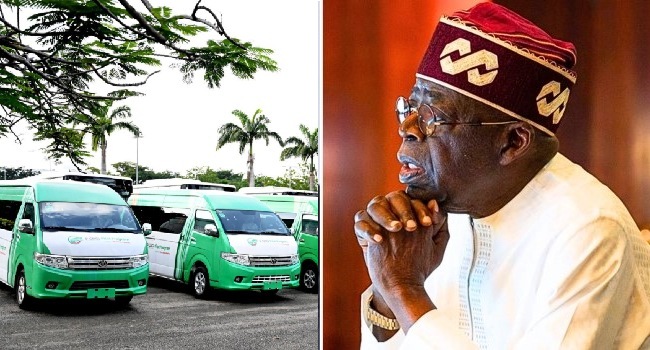
CNG transport fares to fall on some routes from October 1 – Pi-CNG


The Presidential Initiative on Compressed Natural Gas (Pi-CNG) says Nigerians using CNG-powered public transport on some routes should begin to see lower fares from October 1, as the Federal Government pushes to translate cheaper fuel costs into savings for commuters.
Executive Chairman of Pi-CNG, Ismaeel Ahmed, said on Wednesday that reductions were already being recorded on routes served by CNG vehicles, with some commuters paying about 40% less than conventional transport fares.
Ahmed said Nigeria had fewer than 10 CNG refuelling stations before 2023 but now has more than 90, while over 120,000 vehicles have been converted to run on CNG. The presidency has separately reported more than 400 certified conversion centres nationwide.
He said the programme was largely driven by private investment, with Pi-CNG providing the enabling environment needed to expand conversion and refuelling infrastructure.
According to him, commuters travelling on CNG-powered buses between Gwagwalada and central Abuja can pay about 40% less than prevailing commercial fares.
Ahmed added that the conversion of another 100,000 vehicles, announced earlier in the year following a presidential directive, was nearing completion.
He cited Kano as an example of the programme’s expansion, saying the state, which previously had no CNG station, now has 10 refuelling stations.
President Bola Tinubu had on September 19 urged states to accelerate implementation of the National Affordable CNG Transit Programme, saying more Nigerians should begin to experience measurable reductions in transport costs from October 1.
The President cited several existing examples, including Abuja commuter routes where CNG-converted vehicles offer fares about 40% lower. He also said alternative-energy transport had reduced fares by as much as 50% in Adamawa, while CNG and electric public transport schemes had lowered costs in Borno, Oyo, Enugu, Niger and other states.
Tinubu has also directed the rollout of an additional 500 CNG refuelling stations, which would raise the government’s planned nationwide network to 1,000 stations.
The government says expanding CNG and electric transport is intended to reduce dependence on petrol and ensure that lower energy costs translate into cheaper fares for commuters.