
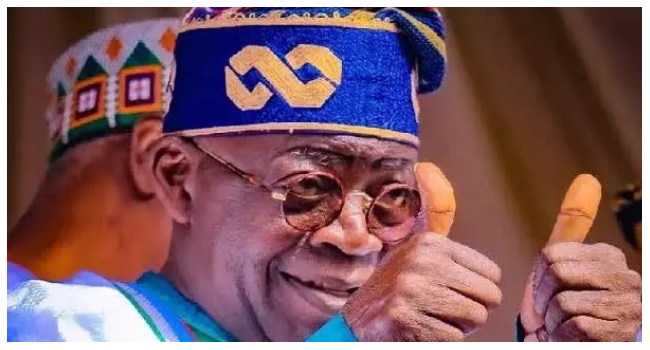
Tinubu rules out return to fuel subsidy


President Bola Tinubu has ruled out a return to Nigeria’s fuel subsidy regime, defending its removal as a necessary decision to prevent economic collapse and place the country on a sustainable financial footing.
Tinubu made the declaration on Monday during a meeting with members of the City Boy Movement, a youth-led political advocacy group supporting his administration.
The president said his decision to end petrol subsidies on his first day in office was informed by the country’s worsening financial position, insisting that continuing the policy would have pushed Nigeria towards bankruptcy.
“I came, and I removed the subsidy on my first day. Nigeria would have gone bankrupt; there was nothing left to pay for subsidies,” Tinubu said.
Responding to political opponents advocating the restoration of subsidies, the president drew an analogy from religious scriptures, comparing Nigeria’s economic transition to the biblical journey of Moses from Egypt.
“I remember my scripture studies, both in the Bible and the Holy Quran. When Moses (Musa) left Egypt, the Red Sea parted and gave way. You cannot ask Moses to go back to Egypt. With your energy and support, we will never go back to Egypt,” he said.

Tinubu commended members of the movement for supporting his administration and urged them to intensify grassroots mobilisation ahead of the 2027 general election.
He encouraged young Nigerians to obtain their Permanent Voter Cards (PVCs) and participate actively in the electoral process.
“You will go to your campuses, your markets, and your villages. Make sure every young person you know has a PVC and uses it. Tell them what we have done and tell them what we will do. Campaign with your ideas,” the president said.
Tinubu announced the removal of petrol subsidies during his inauguration on 29 May 2023, triggering a sharp increase in fuel prices and contributing to higher transportation and living costs.
Petrol prices, which were below ₦200 per litre before the policy change, have since risen significantly, with the latest reported pump prices ranging between ₦1,350 and ₦1,405 per litre.
The policy has attracted sustained criticism amid rising living costs and pressure on household incomes.
However, the federal government maintains that subsidy removal is essential to economic restructuring and long-term fiscal stability, arguing that the reforms will eventually deliver broader economic benefits.