
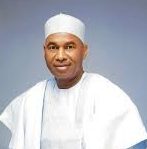
Adamawa 2027: can rented airport crowds translate into votes for Tijani?


The build-up to the 2027 governorship election in Adamawa State is beginning to generate familiar optics crowds, endorsements and carefully staged receptions. But beyond the spectacle, a more fundamental question is emerging: can a rented crowd at Yola airport translate into real electoral strength for Tijani Galadima?
Politics, particularly in a state as politically conscious as Adamawa, has rarely been decided by optics alone. While public receptions may create the impression of popularity, elections are ultimately determined by deeper factors name recognition, grassroots structures, credibility and sustained engagement with voters.
At present, Galadima’s biggest challenge appears to be visibility. Across much of Adamawa and its environs, his name does not yet command widespread recognition. Even within the urban centres, where political conversations are more active, many voters remain unfamiliar with his political identity let alone in rural communities where elections are often decided.

More telling is the absence of direct engagement. Since his emergence in the political space, there has been little in terms of public addresses or recorded interactions where voters can assess him. In modern politics, speeches are more than ceremony they are windows into a candidate’s thinking, priorities and competence. It is through such moments that the electorate gauges a candidate’s clarity, depth and capacity for leadership.
Without that exposure, it becomes difficult for voters to form an informed judgment.
History offers a cautionary tale. In 2015, the governorship ambition of Nuhu Ribadu was welcomed with significant fanfare and national attention. Yet, when the ballots were counted, that early momentum did not translate into victory, as he finished a distant third. The lesson is clear: popularity at the surface level does not always survive the test of the ballot box.
If the argument in favour of Galadima rests on his competence or past achievements, then those records must be brought into the public domain. Adamawa voters have shown repeatedly that they are willing to interrogate the credentials of those seeking to govern them. A candidate’s handlers would do well to present verifiable records of service, performance and impact, allowing the electorate to judge for themselves.
Ultimately, elections are not won by shadows or projections of influence. They are won by candidates who have built a direct connection with the people.
Which raises the central question: if a man is not yet known, can the shadow of more established political figures propel him to Government House, Dougirei?
The answer, at least for now, appears uncertain.