
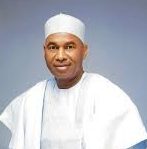
Adamawa 2027: Youths mount fierce online backlash against Tijjani Galadima’s bid


A wave of criticism trailed the governorship declaration of Tijjani Galadima on Friday, as youths from Adamawa State took to social media to voice strong opposition to his ambition ahead of the 2027 elections.
Across platforms, particularly X (formerly Twitter), many young users described Galadima as an “anointed candidate from Abuja”, arguing that his emergence lacks grassroots legitimacy. The phrase quickly trended among politically engaged users in the state, with critics insisting that externally backed aspirants rarely secure broad-based support locally.
Adding to the criticism, a user with the handle _Adama_usman1506 challenged Galadima to provide a record of opportunities he has facilitated for youths from the state. The user questioned his role in employment linked to the recently inaugurated petroleum university in Kaduna, stating: “Under this man the university of petroleum technology started in Kaduna, how many Adamawa youths has he helped?”
Some supporters of Galadima, however, pushed back against the backlash, claiming the resistance is rooted in ethnic and regional bias. They argued that certain groups are uncomfortable with a candidate from Yola South and of Fulani origin succeeding the incumbent governor.

Opponents dismissed this line of argument, maintaining that their concerns are political rather than ethnic. Several contributors insisted that even the influence of Governor Ahmadu Umaru Fintiri would not be enough to make Galadima acceptable to them.
Others referenced past grievances, pointing to the administration of former governor Murtala Nyako. They alleged that policies during that period created a sense of exclusion among non-Fulani communities, warning against what they fear could be a repeat.
The online critics further argued that branding Galadima as an “Abuja-backed” aspirant makes him politically vulnerable, describing him as a “liability” for the All Progressives Congress (APC). Some went as far as predicting electoral defeat for the party in 2027 if he emerges as its candidate.
Despite the intensity of the backlash, a segment of users continued to rally behind Galadima, highlighting his political experience and dismissing the criticism as premature.
The debate underscores early fault lines within Adamawa’s political landscape, with youth voices on social media increasingly shaping narratives ahead of what is expected to be a keenly contested governorship race.